




The metaverse isn’t just a trendy tech term—it’s shaping up to be one of the biggest shifts in how we work, shop, and interact online. By 2030, experts project the metaverse market will be worth $507.8 billion, growing at an incredible 37.43% every year. Even more impressive, the number of people using it is expected to jump from 17.4% of the population in 2025 to nearly 40% by the end of the decade—that’s about 2.6 billion users.
For businesses, this means new opportunities to connect with customers, train employees, and operate in ways that weren’t possible before. But along with the possibilities come challenges like high costs, technical demands, and security concerns.
What Exactly Is the Metaverse?
The metaverse for business can be thought of as an internet you can step inside. It’s a shared network of 3D virtual spaces where people can interact in real time—through avatars, VR headsets, or even mobile devices. You can attend meetings, shop, learn, play, or collaborate just as you would in real life, but without being in the same physical location.
It’s powered by advanced metaverse technology, including virtual reality (VR), augmented reality (AR), artificial intelligence (AI), blockchain, and high-speed networks. When these tools come together, they create immersive environments that feel like you’re really there.
Why the Metaverse Matters for Businesses
Forward-thinking companies are already using metaverse business applications to gain a competitive edge.
1. Training and Employee Development
One of the most proven metaverse business opportunities is workforce training. Virtual training programs have shown:
- 275% higher confidence in applying new skills compared to traditional training
- 4x more focus during learning sessions
- 65% more effective overall results
- 38% faster onboarding for new hires
Major brands like Walmart, Amazon, and BMW use metaverse training solutions for realistic simulations and hands-on learning—without the risks or costs of real-world training.
2. Better Collaboration Across Distances
Virtual workspaces and metaverse collaboration tools allow teams to meet in 3D environments that feel more natural than video calls. Early adopters have reported:
- 47% higher employee engagement in virtual meetings
- More creative brainstorming in shared 3D “whiteboard” spaces
- No geographical barriers for global teams
3. Stronger Customer Engagement
For marketing, the industrial metaverse and consumer platforms are unlocking new ways to connect:
- 70% of brands saw higher engagement after launching metaverse campaigns
- 60% higher interaction rates compared to traditional digital ads
- New revenue from virtual goods like NFTs and digital clothing
Luxury brands such as Gucci and Dolce & Gabbana have even sold virtual reality business products for more than their physical versions.
The Challenges You Can’t Ignore
While the benefits of the metaverse for business are clear, there are hurdles to adoption.
Technology Demands
To run smoothly, the metaverse infrastructure requirements include:
- 1 Gbps symmetrical internet speeds
- Latency under 10 milliseconds
- Computers with up to 1,000 times more processing power than typical office systems
These demands often require investment in augmented reality business hardware, advanced GPUs, and high-speed networks.
Financial Barriers
Building a custom metaverse for companies experience can cost anywhere from $10,000 to over $400,000, plus ongoing server and staffing costs.
Security and Privacy Risks
Immersive environments collect more data than traditional websites—everything from voice and movement patterns to biometric information—raising concerns over metaverse adoption challenges like hacking, identity theft, and compliance with privacy laws (GDPR, CCPA).
Accessibility and Learning Curves
Not all employees or customers have high-speed internet or VR hardware, and some may experience eye strain or motion sickness.
How to Get Started Without Breaking the Bank
The good news is you don’t need to jump straight into a fully custom build. Businesses can start small:
- Run pilot programs – Test metaverse ROI for companies by starting with training or a single customer event.
- Use existing platforms – Explore Roblox, Decentraland, or Meta Horizon to experiment at low cost.
- Leverage cloud computing – Avoid huge hardware costs by using scalable, online infrastructure.
- Upskill your team – Give employees resources to adapt to metaverse trends 2025 and beyond.
Real-World Applications by Industry
- Healthcare – Virtual surgery simulations let students practice without risking patient safety.
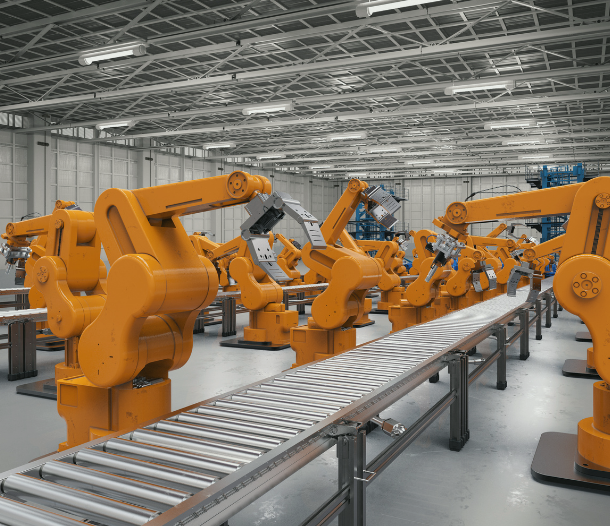
- Manufacturing – Digital twins help companies like BMW and Siemens improve processes before making physical changes.
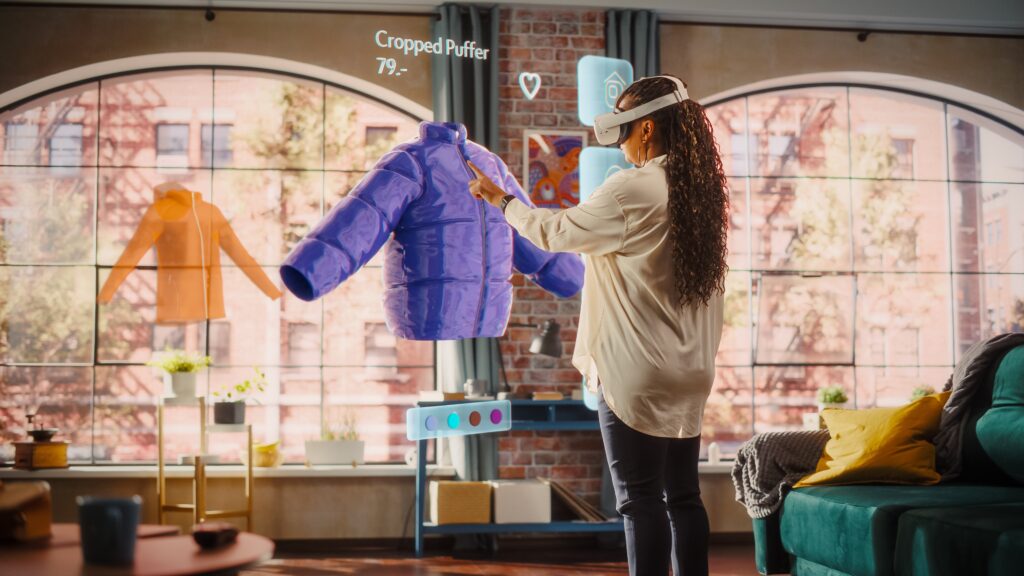
- Retail – Virtual storefronts let customers try on clothing via avatars and attend online product launches.
- Education – Students can take virtual field trips or perform lab experiments in safe, controlled environments.
Looking Ahead: 2025–2030
Experts predict 2025 will be a tipping point for metaverse adoption in business. Expect to see:
- Virtual workspaces replacing many video calls
- AI creating smarter, more personalized environments
- Easier movement between different metaverse platforms
- New regulations shaping how the future of the metaverse unfolds
Companies that target Gen Z and Millennials—the biggest metaverse user base—will have the strongest early advantage.
Conclusion
The metaverse is quickly shifting from futuristic concept to practical business tool, offering new ways to train employees, collaborate, and engage customers. But as businesses embrace immersive technologies, strong cybersecurity measures are essential to protect data, secure virtual assets, and ensure compliance. Companies that start small, invest wisely, and pair innovation with robust digital defenses will be best positioned to succeed in the future of the metaverse.
